Decoding the digital age
What Went Wrong At Build a Rocket Boy?
Leslie Benzies’ studio promised a new world where players could make games of their own. Its first commercial release, MindsEye, became one of 2025’s worst-reviewed games. We explore what went wrong.

Games
What Went Wrong At Build a Rocket Boy?
Leslie Benzies’ studio promised a world where players could build their own games. Its first commercial release, MindsEye, became one of 2025’s worst-reviewed games. How did we get here?
Credit: Build A Rocket Boy
In a Word...
- MindsEye launched in June 2025 to poor reviews and technical complaints. Metacritic ranked its PlayStation 5 version as the worst-reviewed game of the year.
- Build A Rocket Boy had originally presented MindsEye as part of Everywhere, a larger platform for player-made games. MindsEye instead launched as a standalone title.
- Former workers have blamed management decisions and working conditions, while studio leaders have also alleged sabotage
- Further layoffs preceded the studio's fall into administration in September 2026.
MindsEye was supposed to introduce players to an ambitious new entertainment company. Instead, the launch on 10 June 2025 was a disaster.
Players reported glitches, and mainstream critics found faults that went beyond performance and into the game design itself. Although the game had driving, shooting and an elaborate fictional city, reviewers criticised rigid missions and limited use of its setting.
Build A Rocket Boy, the studio behind MindsEye, began releasing fixes almost at once. But it was too little, too late. By the end of the year, Metacritic had ranked the PlayStation 5 version as its worst-reviewed game of 2025.
Player numbers offered little reassurance. According to SteamDB, MindsEye reached a peak of 3,302 simultaneous players on Steam, on its release day. As our analysis of Steam engagement data has explored, visible player counts offer only one view of how a game is performing. But it's a strong indication that all was not well with MindsEye.
Immediate Staff Cuts
Within weeks, the studio began a redundancy process. By October, 93 current and former employees had signed an open letter accusing its leaders of failing to listen to staff, demanding excessive overtime and mishandling the resulting job cuts. The signatories estimated that 250 to 300 people had lost their jobs. Meanwhile, senior figures at the company were raising a different possibility: that hostile actors had tried to undermine the game.
By September 25, 2026, Companies House listed Build A Rocket Boy as 'in administration'.
It was an extraordinary outcome for a studio led by Leslie Benzies, a former president of Rockstar North and a major figure in the Grand Theft Auto series. Build A Rocket Boy had attracted prominent investors, hired hundreds of developers and spent years describing a future in which players could create games as well as play them.
Where did it all go wrong?
The Promise of Everywhere
Benzies established the company that became Build A Rocket Boy after leaving Rockstar North in 2016. Its principal project was Everywhere, a Roblox-inspired shared digital world in which players would explore, meet other people and move between experiences made by the studio and its community. They would also be able to build experiences themselves.
The proposed creation tools, called Arcadia, were central to the idea. A player-made race, action level or puzzle could sit within a larger platform rather than existing as a separate game. If the tools were accessible and the community grew, each new creation might give other players another reason to visit. The studio was proposing both a destination and a means for its users to expand it.

This was a considerably harder undertaking than releasing one game. A creation platform needs tools that people can learn, places worth exploring, a way to discover what others have made and enough activity to make participation rewarding. It also needs studio-made content to show what is possible before a community can do much of that work itself.
What Was Build A Rocket Boy Making?
Funding the Scale of the Dream
At first, Build A Rocket Boy was operating at a scale that reflected the ambition. In a November 2020 announcement, the company said its development team had grown beyond 400 people. A further funding round of more than $110 million, announced in January 2024, was led by RedBird Capital Partners. The company said the money would support the launch of Everywhere, MindsEye and Arcadia.
That money was not a disclosed budget for MindsEye. Build A Rocket Boy was developing several connected products and building the organisation around them. Investors were backing a studio and a platform as well as an action game.
Yet players still needed a reason to enter Everywhere. For Build A Rocket Boy, MindsEye was the answer.
A Game Inside the Game
When MindsEye was announced in 2023, the studio described it as a story-driven action adventure available within Everywhere. The two were distinct products, but they were intended to work together. MindsEye offered the kind of cinematic, studio-made experience Benzies was known for, while Everywhere would provide the broader environment around it.
The relationship made sense on paper. A substantial game could attract players who had no immediate interest in making their own content. Once there, they might discover other experiences or begin using the creation tools. Equally, a platform capable of hosting a polished action game would have a powerful demonstration of what its technology could support.

The downside was that this Russian-doll approach to nesting games within games also made the project difficult to sell to audiences. Everywhere was a game, a world and a platform. Arcadia was a set of tools associated with it. MindsEye was a separate premium game intended to be available through that platform. Each part needed the others to make the full proposition compelling, but each also had to justify the time spent developing it.
The important change was how those products would reach the public. In October 2024, IO Interactive announced that its new IOI Partners division would publish and distribute MindsEye as a premium game for PC and consoles. It was no longer being introduced to players through a released version of Everywhere.
By the weeks before launch, some of the platform’s most important technology had followed it. Build A Rocket Boy confirmed to VGC that tools developed for Everywhere were becoming the creation system in MindsEye. The company described the change as an evolution of its products. It also said Everywhere had been taken offline temporarily, would return and had not been abandoned. Unfortunately, this statement proved overly optimistic – and Everywhere never returned.
Build a Rocket Boy then appeared to focus its attention on MindsEye, and the creator tools became part of that release. Whatever the longer-term plan, the premium game would receive the first broad public verdict.
Build A Rocket Boy: Timeline
| When | What Happened |
|---|---|
| November 2020 | Build A Rocket Boy announces a funding round for Everywhere and says its development team has grown beyond 400 people. |
| March 2023 | The studio announces MindsEye as a story-driven action game intended to be available within Everywhere. |
| January 2024 | The company announces a funding round of more than $110 million to support Everywhere, MindsEye and the Arcadia creation tools. |
| October 2024 | IO Interactive announces that it will publish MindsEye as a premium game for PC and consoles. |
| June 2025 | MindsEye launches as a standalone game on 10 June. Poor reviews and technical complaints are followed by a redundancy process. |
| September 2026 | Further job cuts are reported. Build A Rocket Boy enters administration on 23 September. |
The Launch Had to Prove Too Much
Thus, MindsEye arrived carrying several expectations at once: it was Benzies’ major return after Grand Theft Auto and also Build A Rocket Boy’s first commercial game. It also contained creation features associated with the larger Everywhere vision, while being presented as the beginning of an experience that would grow through additional content.
As a result, players could approach it as a story game, a driving and shooting game, or the first tangible evidence of a new platform. Each raised a different standard that the release had to meet. However, the most immediate was straightforward: was the action adventure game good to play?
The reviews suggest that many critics thought it was not. The technical problems attracted attention, but critics also questioned the underlying design. In its review, The Guardian found a game with some appealing atmosphere and moments of enjoyment, but with dated mechanics and weak artificial intelligence. Other reviews criticised the combat, mission design and limited opportunities to use the city. These judgments are more revealing than any individual glitch, because a patch can repair a fault without making the central experience more engaging.
Patching a Shaky Release
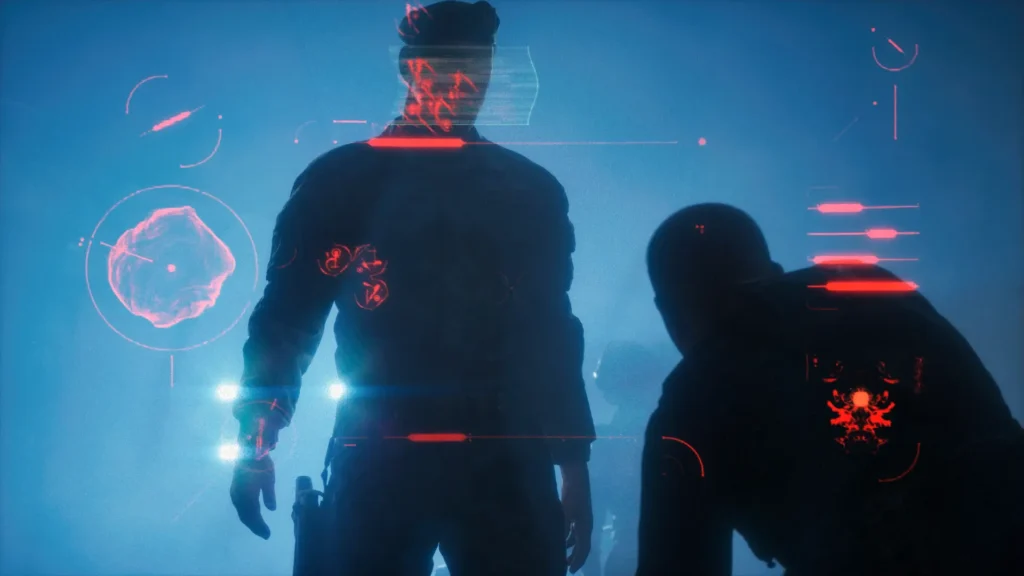
The studio acknowledged that the release fell short. In a response reported by STV News, Build A Rocket Boy said Benzies and senior management took responsibility for the initial launch and that the released version had not provided the experience its community deserved. The studio committed to updates, performance improvements and more content. Those efforts continued well beyond the first weeks: the company was still publishing further additions to MindsEye during 2026.
The fixes are part of the public record. However, the team was faced with the uphill battle of salvaging interest in the game after a flawed initial release. The poor reviews, circulation of launch problems and very modest player base all shaped a reputation subsequent updates would have to overcome.
What Workers Say Happened Behind the Scenes
The launch raised another question. How could a studio with experienced developers and substantial backing release a game that both reviewers and its own leaders considered to fall below the required standard?
One account comes from employees who worked there. In the open letter published in October 2025, 93 current and former workers accused Benzies and co-CEO Mark Gerhard of making major changes without sufficient input from staff. The signatories said employees had been required to work an extra eight hours a week during the four months leading up to launch. They also alleged mistakes and confusion in the subsequent redundancy process. These are the workers’ allegations, rather than independently established findings about every decision made inside the studio.
Former employees interviewed by BBC Newsbeat offered more detail about development. They described concerns being ignored and changes arriving late in production. The accounts, subsequently covered by Game Developer, included references to requests from Benzies that became known among staff as “Leslie tickets”. According to those former workers, the requests could range from small adjustments to substantial changes to the game, which had to be prioritised above all others.
There is a plausible production problem in that account. Large games depend on teams making decisions in relation to one another: missions, technology, art, testing and schedules all meet in the finished product. Frequent late changes can make that coordination harder. But it would go beyond the available evidence to assign every fault in MindsEye to one person or one management practice. The testimony helps explain what some workers believed was happening as the release approached; it is not a complete reconstruction of every development decision.
Accusations of Mistreatment
For the record, Build A Rocket Boy disputed the employees’ description of the redundancies. Its spokesperson told STV that the company had approached the process with care and transparency, met its obligations and was listening to feedback. The same response accepted responsibility for the initial launch. Management acknowledged the game’s poor release, while employees and management gave sharply different accounts of how the studio treated its workforce afterwards.
Either way, the human consequences were considerable. The union’s estimate of 250 to 300 people losing their jobs came after years of work by staff trying to bring the studio’s projects to life. Further cuts were reported during 2026. Whatever judgment a reader reaches about the game, the failed launch was not only a problem for a product or its investors – it affected the working lives of the people who’d built it.
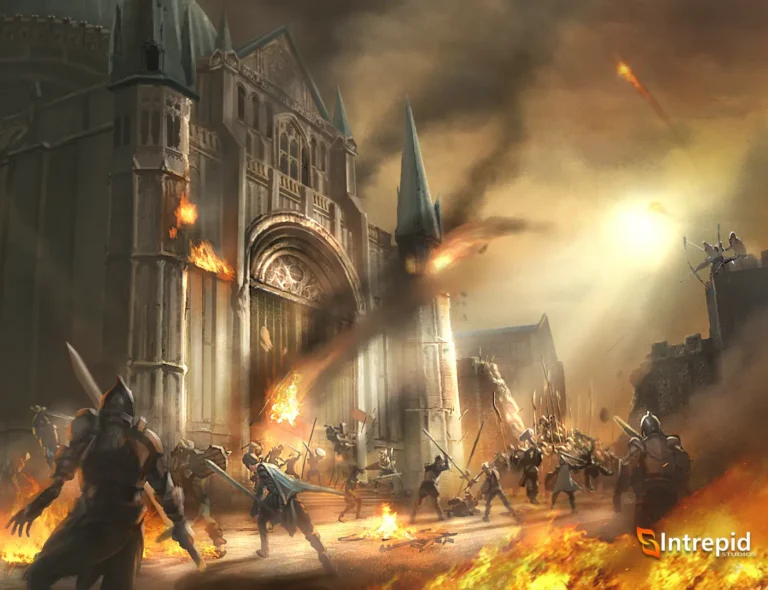
Employees faced a similarly abrupt upheaval at Intrepid Studios, which closed weeks after Ashes of Creation reached Steam Early Access. The subsequent dispute over financing and control revealed another troubled relationship between an ambitious game and the company trying to deliver it.
The Dispute Over Sabotage
The story took a further turn when senior figures suggested that the game’s reception had been deliberately manipulated.
In a staff meeting reported by BBC Newsbeat, Benzies spoke about internal and external forces acting against the company. In early 2026, Gerhard went further. According to Insider Gaming’s account of an internal meeting, he alleged that a campaign costing more than €1 million had been organised to harm MindsEye and Build A Rocket Boy. He identified a creator-support company, Ritual Network, as part of his account. Ritual Network denied involvement and said it had received no evidence supporting the claims. Build A Rocket Boy told the publication that it had evidence of a coordinated campaign, but did not make that evidence public. Gerhard subsequently repeated allegations of organised espionage and corporate sabotage in a public statement.
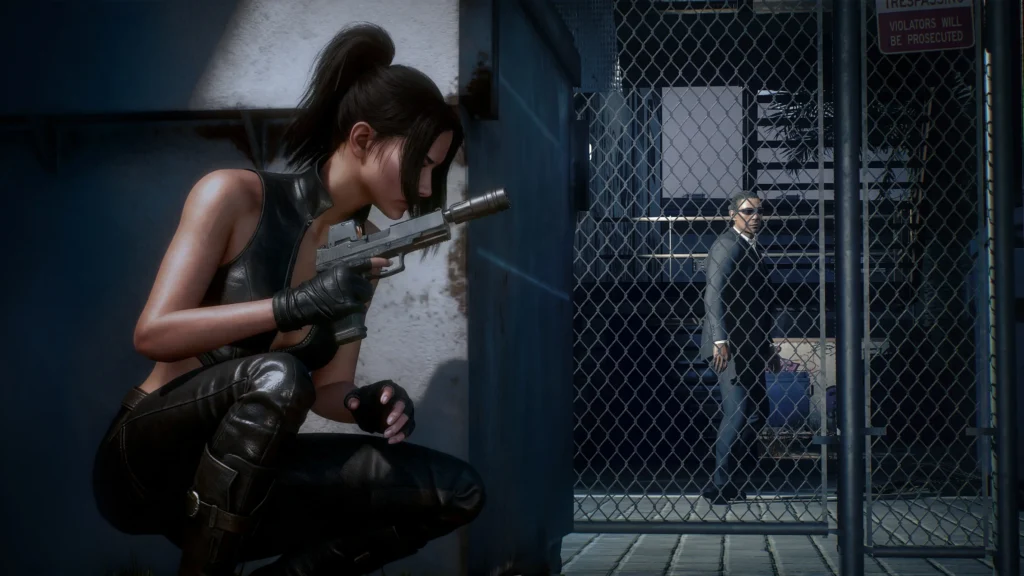
The allegations have not been publicly substantiated. Negative reviews, online ridicule and criticism from former workers do not themselves establish that anyone was paid to attack the game. Neither can an outsider rule out any possible instance of hostile activity. For now, the sabotage claim remains a claim, separate from the problems players and reviewers could see for themselves.
Accusations of Staff Surveillance
Another dispute emerged in April 2026, when the Independent Workers’ Union of Great Britain said Build A Rocket Boy workers were pursuing legal action over the installation of Teramind software on employee devices without their knowledge. The union alleged that the software could capture keystrokes, screen activity and microphone audio, including from within employees’ homes. It said the company removed the software after a collective grievance, but that workers still wanted to know what data had been collected and why. Gerhard had previously acknowledged to staff that the rollout of additional security software had caused upset and said he took responsibility for how it was communicated.
The monitoring issue shows how the dispute about the launch reached the workforce. Gerhard linked the additional security measures to a claimed threat, while workers represented by the union raised questions about privacy and trust. Their legal allegations require their own assessment, but in the story of MindsEye, the episode highlights the depth of the division between management and some of the people it employed.
A Dismal End for the Original Vision
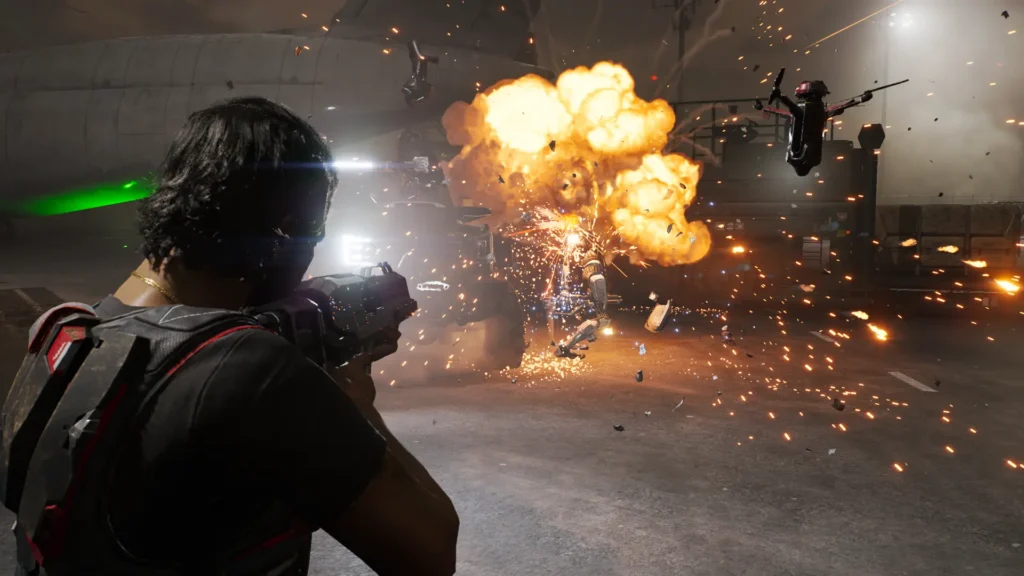
Build A Rocket Boy continued working on MindsEye during 2026. It released fixes and new content, including additions to its creation tools. But its partnership with IOI Partners came to an end in March. In a joint announcement, the companies said Build A Rocket Boy would take over publishing and that a planned Hitman crossover mission would no longer be released. The statement did not assign blame for the separation.
More job cuts followed. In September, employees posted that their roles were being made redundant; one member of the HR team said he would remain to help wrap things up. Build A Rocket Boy entered administration on 23 September 2026, according to Companies House.
The Dream that Became a Nightmare
Although the full story behind the Build A Rocket Boy debacle may never be known to the public, the wreckage is plain enough: hundreds of jobs lost, vast sums invested in a company whose first game landed disastrously, and a studio now reportedly winding down.
The ambition recalls Star Citizen, another project in which a playable product, a development platform and the promise of a much larger world became difficult to separate. But Star Citizen retains an active audience and remains in development; MindsEye had to withstand a conventional commercial launch.
Were the saboteurs real? Were bad actors truly on a mission to derail Benzies’ grand project? Or had the studio’s leaders mistaken the negative reaction to MindsEye for the cause of its failure?
Whatever the answer, Everywhere was meant to be a world players could help create, a vision of unfettered creative freedom. Most never got to see that world. Instead, Build A Rocket Boy ended up living through a nightmare of its own making.